 Automotive Film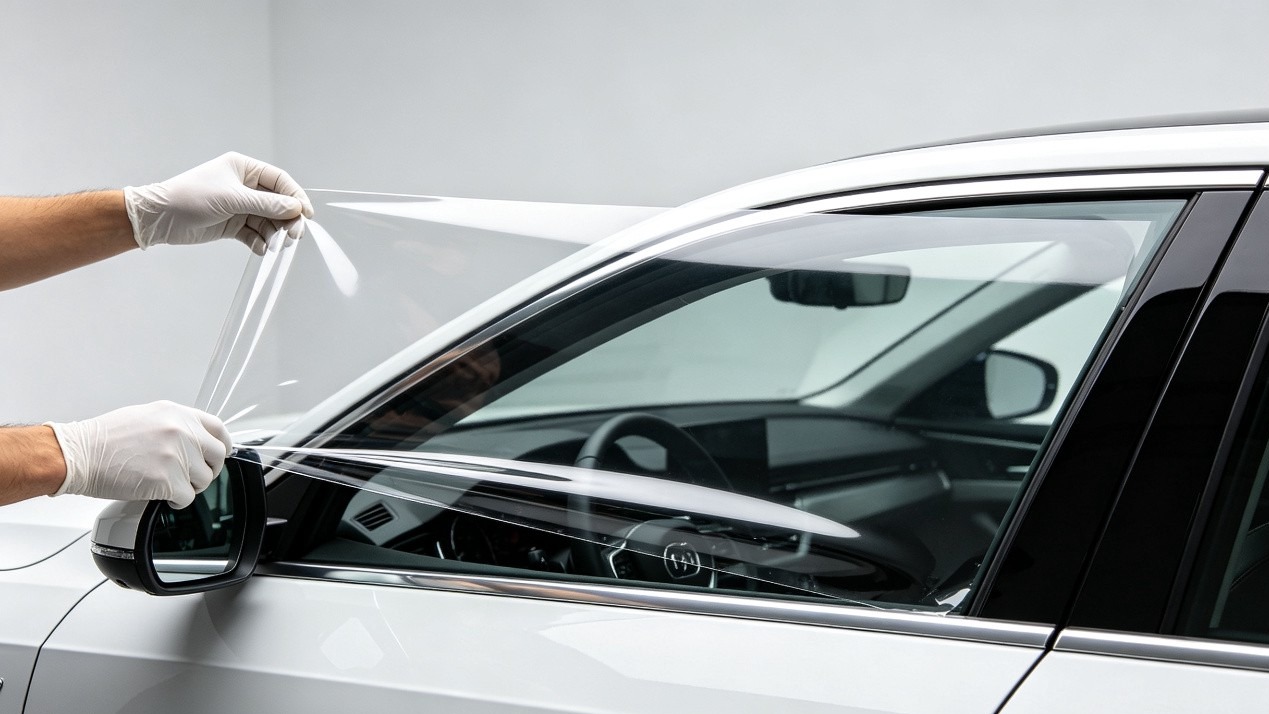
Automotive window film is no longer just a sun-shading accessory. In the modern aftermarket, window film serves multiple functional purposes: UV protection, infrared heat rejection, glare reduction, privacy, and safety. For distributors building a product line, understanding the three core technology categories — dyed, nano ceramic, and magnetron sputter — is essential for matching products to regional demand and price expectations.
Dyed Window Film
Dyed film is the traditional entry-level option. It absorbs solar energy through a dyed polyester layer, reducing visible light and some heat. Key characteristics:
- Lowest cost per roll
- Good privacy and glare reduction
- Limited IR heat rejection (typically below 40%)
- Color may fade over 2-3 years in high-UV climates
- Best suited for price-sensitive markets and basic tinting demand
Nano Ceramic Window Film
Nano ceramic film represents the mainstream mid-to-premium segment. Instead of dye or metal, it uses nano-sized ceramic particles embedded in the adhesive or film layer to block infrared heat while maintaining high visible light transmission.
- Strong IR heat rejection (typically 60-90%)
- No signal interference (GPS, mobile, keyless entry)
- Long color stability (5+ years)
- Mid-range pricing suitable for most professional installers
- Ideal for hot climates and daily-driver vehicles
Magnetron Sputter Window Film
Magnetron sputtering deposits multiple ultra-thin metal or metal-oxide layers onto the film substrate in a vacuum chamber. This is the premium tier of window film technology:
- Highest heat rejection performance (up to 95%+ IR rejection)
- Lowest interior reflectivity for clear outward visibility
- Longest durability (10+ years)
- Higher cost per roll
- May cause minor signal interference in some vehicle systems
- Best for luxury vehicles and premium market positioning
VLT and Legal Compliance
Visible Light Transmission (VLT) is the percentage of visible light that passes through the film. Different countries and regions have specific legal limits:
- Front side windows: Typically 35-70% VLT required
- Rear side windows: Often 20-50% VLT
- Rear windshield: Frequently 5-30% VLT allowed
KAVRON offers VLT options from 5% to 70% across all technology categories, allowing distributors to configure product mixes that comply with local regulations.
Windshield Protection Film: A Growing Category
Beyond traditional tinting, clear windshield protection film is gaining traction. This transparent film is applied to the exterior of the windshield to protect against stone chips and cracks. It is particularly popular in markets with high-speed highway driving and frequent gravel exposure.
Sources & References
- Mordor Intelligence — Automotive Films Market
- Global Market Insights — Automotive Film Market
- International Window Film Association — Window Film Information
Configure Your Window Film Product Mix
Request window film catalog with VLT options and heat rejection data. Or message on WhatsApp.