 Automotive Film
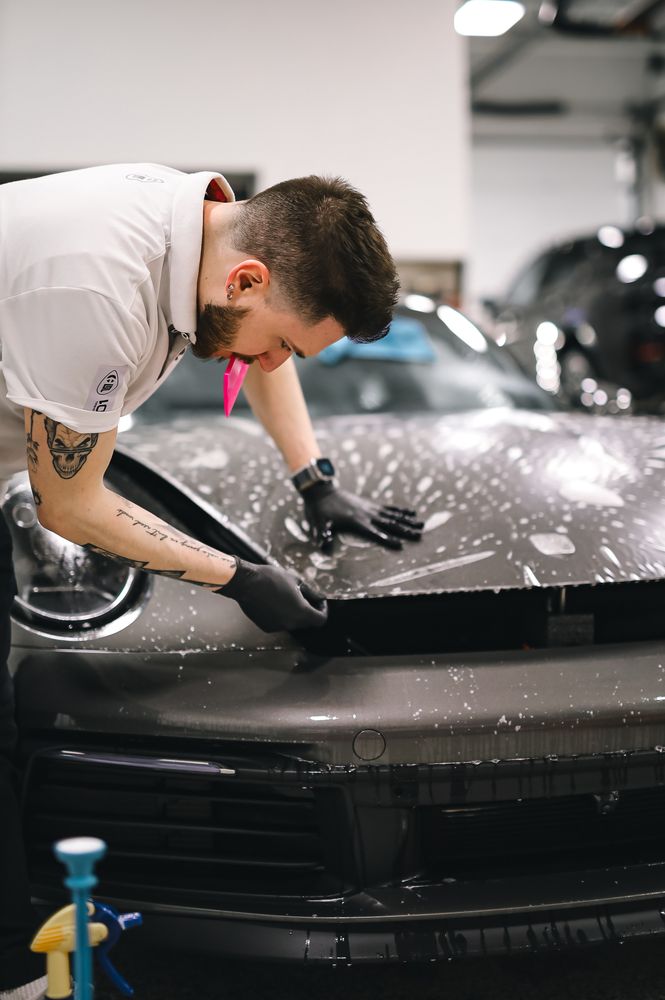
The 2026 SEMA Market Report puts the U.S. specialty-equipment market at $52.92 billion and says vehicle personalization remains a cornerstone of the aftermarket. That is encouraging news for paint protection film, color PPF, window film and vehicle-wrap businesses. But from my perspective, the more important story is not simply that the market is growing. It is that professional buyers are changing the way they evaluate suppliers.
Growth does not make every supplier successful
A growing market can create more inquiries, but it also creates more competition and more expensive mistakes. Distributors now have many factories, brands and product tiers to choose from. A low quotation may attract attention, yet the real cost appears later if installers struggle with tack, stretch, edge retention, clarity or batch variation. In my view, the winners will not be the companies that promise everything at the lowest price. They will be the companies that make purchasing, installation and repeat ordering more predictable.
The buyer’s questions are becoming more professional
The strongest inquiries are no longer limited to “How much is one roll?” Buyers increasingly want to define finished thickness, roll dimensions, finish, adhesive behaviour, sample approval, packaging, lead time and warranty responsibility. I see this as a healthy change. It means the industry is slowly moving from catalogue selling toward specification-based purchasing. A professional supplier should welcome detailed questions because they reduce misunderstandings before production.
Price per roll is not the same as cost per successful installation
A distributor does not earn money when a roll leaves the factory. The value is created when an installer can use the material efficiently and the customer remains satisfied after delivery. Film that is slightly cheaper can become more expensive when it produces avoidable waste, rework, edge lifting or complaints. That is why I believe buyers should compare usable yield, installation time, consistency and claim risk—not only the invoice price.
Product ranges should be built around real jobs
Another change is the move away from one-film-fits-all purchasing. A detailing studio may need a dependable core clear PPF, a premium hydrophobic option, a satin finish and a controlled selection of color PPF. A distributor serving hot climates may put more emphasis on optical stability, stain resistance and edge behaviour under heat. The right product range starts with customer jobs and local conditions, not with the longest possible catalogue.
Private label now means more than printing a logo
Some buyers still think OEM or private label begins and ends with packaging. I disagree. A serious private-label program needs a defined product code, approved reference sample, batch traceability, technical sheet, carton rules, warranty wording and a repeat-order standard. A beautiful box cannot protect a distributor when the product inside changes from batch to batch. The brand promise must be supported by manufacturing control.
Factories need to communicate more honestly
Manufacturers also have to change. Words such as self-healing, hydrophobic, high gloss and ten-year warranty are now used everywhere. They are not useless, but they are too broad to support a professional purchasing decision on their own. We should explain how a claim is evaluated, what conditions affect performance and which result belongs to the exact product being quoted. Clear limits build more trust than exaggerated certainty.
My outlook for the next stage of PPF
I believe the PPF market will continue to expand with vehicle personalization, higher-value detailing services and greater consumer interest in preserving paint. But growth will be uneven. Buyers will consolidate around suppliers that can provide stable batches, realistic specifications, responsive communication and flexible product planning. The relationship will become less transactional: fewer buyers simply asking for the cheapest roll, and more partners building a product line for a specific market.
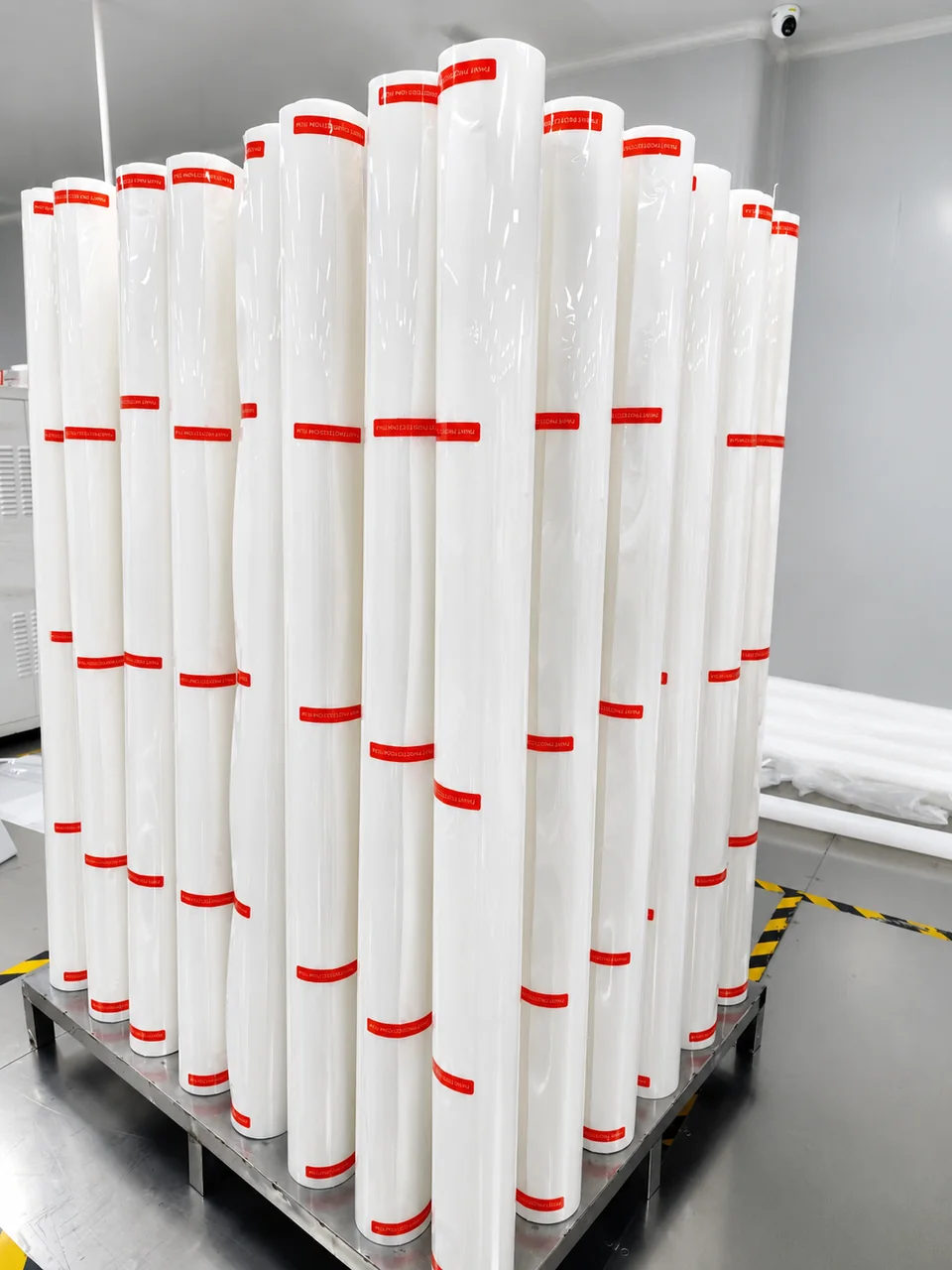
The aftermarket growth reported by SEMA is a real opportunity, but it should not encourage careless expansion. My view is simple: the next advantage in PPF will come from consistency and market fit. Price will always matter. It just cannot be the entire strategy.
Sources: SEMA 2026 Market Report summary and MOTOR: Auto Aftermarket Trends Shaping 2026. Commentary and conclusions are the author’s perspective.