 Automotive Film
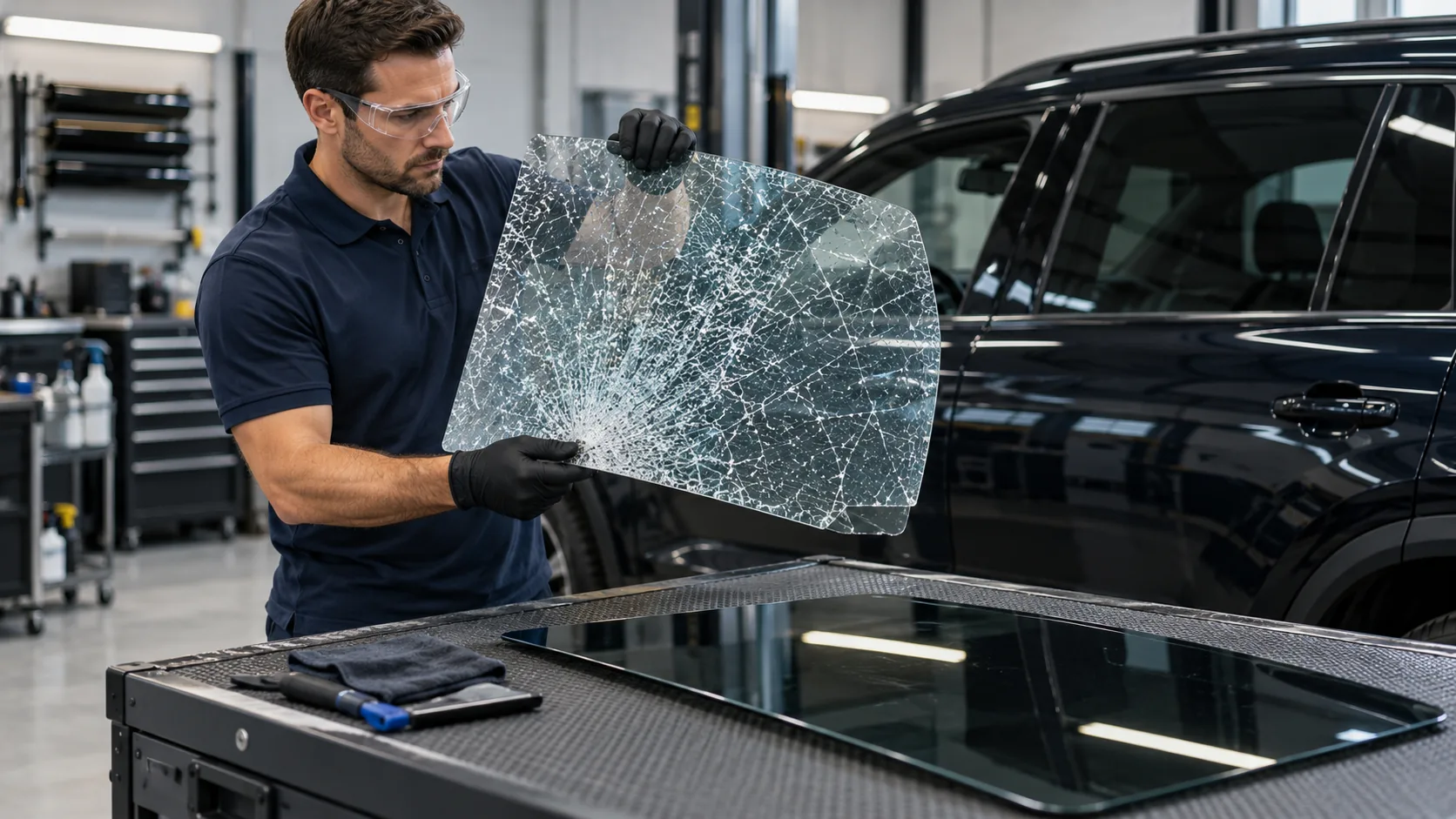
An October SEMA Show press release announced GardStrike Security Film, a 4 mil automotive film intended to help hold fractured side-window glass together and slow forced entry. The brand also positions the product as a premium tint, with multiple shade options and UV protection.
That is an interesting addition to the restyling shop. It also creates a communication problem. The easiest sales words—“unbreakable,” “armor” or “bulletproof”—are precisely the words a responsible film shop should avoid unless a specific tested system actually supports them.
The honest value of security film is not that glass cannot break. It is that broken glass may remain a barrier for longer.
Breakage and access are different questions
Automotive side glass can still fracture after film is installed. A security film is designed to bond the fragments into a more coherent sheet, which can increase the time, effort and noise needed to create an opening. That delay may matter in a smash-and-grab attempt, but it is not the same as preventing every entry.
Results depend on more than nominal film thickness. Glass type, pane shape, adhesive, film coverage, edge treatment, door construction, installation quality and the impact method all influence performance. A demonstration video is useful for showing a concept; it is not a universal guarantee for every vehicle.
This is a different installation job
A thicker automotive security film is less forgiving than ordinary tint. The installer must manage contamination, fingers, edge clearance and moving glass while achieving full coverage appropriate to the vehicle. Some jobs may involve removing door trim, which adds risks around clips, electronics, seals and customer handover.
- Confirm the glass: record whether the side pane is tempered or laminated and follow the product's approved application guidance.
- Define coverage: explain which windows are included and where unavoidable edge gaps remain.
- Document the film: keep product, shade, batch and installer details with the work order.
- Check window operation: cycle moving panes and inspect seals before delivery.
- Set expectations in writing: use “helps retain fractured glass” or “designed to delay entry,” not absolute protection language.
Legal tint still applies
A security benefit does not cancel local rules on visible light transmission, reflectivity or which windows may be tinted. The installed glass-and-film combination—not simply the shade printed on a box—should be considered. Distributors therefore need market-specific SKUs and wording rather than one global “legal tint” claim.
Emergency access deserves thought too. Shops should never improvise claims about rescue, collision or egress performance. Follow the film manufacturer's installation instructions, the vehicle maker's procedures and current local requirements.
What distributors should request
Before adding automotive security film, ask for a technical data sheet, intended glass applications, installation manual, test method and report, warranty terms, shade data and precise permitted marketing language. If a supplier uses words such as forced-entry resistant, ask what configuration was tested and what the result actually measured.
The opportunity is real: existing tint shops already understand glass preparation and film installation, and customers understand vehicle break-in risk. The credibility of the category will depend on whether the industry sells a documented delay—not a superhero shield.
Sources: SEMA Show press release, “GardStrike Introduces Security Film at SEMA 2026”; GardStrike Security Film product information; and International Window Film Association guidance on safety and security film representations. Product statements are attributed to their publishers and have not been independently verified by KAVRON. This article is industry commentary, not a security, legal or emergency-response guarantee.